

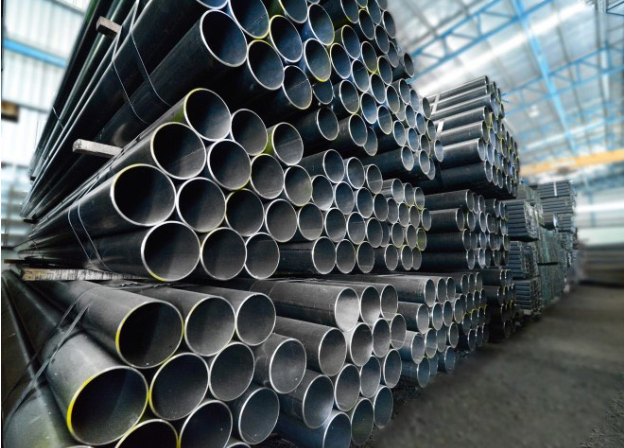
Metal tubing is a foundational element in modern construction, engineering, automotive, and industrial applications. Defined by its hollow cylindrical shape, metal tubing serves as a conduit for fluids and gases, a structural element, and even a decorative feature in design. Available in a variety of materials, sizes, and shapes, metal tubing offers durability, versatility, and strength across numerous industries.
Types of Metal Tubing
Metal tubing is classified based on material, shape, and construction method. The most common types include:
- Material Types:
- Steel Tubing: Often used for structural applications due to its high strength and durability. It can be further divided into carbon steel, galvanized steel, and stainless steel.
- Aluminum Tubing: Known for its lightweight and corrosion resistance, aluminum is ideal for aerospace, marine, and automotive uses.
- Copper Tubing: Commonly found in plumbing and refrigeration systems, copper resists corrosion and has excellent thermal conductivity.
- Brass and Titanium Tubing: Brass is used in decorative applications and instrumentation, while titanium is preferred in high-performance environments like medical or aerospace industries.
- Shape Types:
- Round Tubing: The most common, used for fluid transport and structural support.
- Square and Rectangular Tubing: Typically used in frames, supports, and architectural elements.
- Custom Profiles: For specialized engineering applications.
- Construction Types:
- Seamless Tubing: Made from a single piece of metal with no welded seam, ideal for high-pressure applications.
- Welded Tubing: Manufactured by rolling and welding a sheet of metal. Though slightly less strong than seamless tubing, it is cost-effective and suitable for many applications.
Applications of Metal Tubing
Metal tubing plays a crucial role across a wide range of industries:
- Construction: Used in scaffolding, handrails, support structures, and HVAC systems.
- Automotive and Aerospace: Tubing is critical in exhaust systems, fuel lines, and structural components where weight and strength must be balanced.
- Medical Devices: Stainless steel and titanium tubing are used in surgical instruments, catheters, and implants due to their biocompatibility.
- Industrial Equipment: Tubes carry fluids and gases under pressure, often in chemical plants and manufacturing facilities.
- Furniture and Interior Design: Metal tubing is often used in modern furniture frames, lighting fixtures, and design elements for its clean look and robustness.
Manufacturing Processes
The process of creating metal tubing involves several steps depending on the type of metal and desired characteristics:
- Extrusion: Common for aluminum tubing, where a billet is forced through a die to create seamless tubes.
- Drawing: A method where the tube is pulled through a die to reduce diameter and increase strength.
- Welding: Flat metal is rolled and then welded along the seam to create tubing. This is followed by heat treatment and surface finishing.
- Finishing: Tubes may be polished, anodized, galvanized, or powder-coated depending on the end-use requirements.
Each method offers different benefits. Seamless tubing, for example, offers superior strength and uniformity, whereas welded tubing is more affordable and easier to customize in shape and size.
Advantages of Metal Tubing
- Durability: Metal tubes can withstand high pressures, temperatures, and mechanical stress, making them suitable for extreme environments.
- Corrosion Resistance: Depending on the material, metal tubing resists rust and chemical corrosion, extending lifespan and reliability.
- High Strength-to-Weight Ratio: Especially true for aluminum and titanium tubing, which are critical in weight-sensitive applications.
- Versatility: Available in numerous shapes, sizes, and materials, metal tubing can be tailored to specific application needs.
- Recyclability: Most metal tubing materials are fully recyclable, contributing to sustainability and reduced environmental impact.
Trends and Innovations
Modern advances in metallurgy and manufacturing are continually improving the performance and sustainability of metal tubing. Lightweight composite-metal hybrids, advanced corrosion-resistant alloys, and precision manufacturing technologies like laser welding and 3D printing are reshaping how tubing is made and used. In industries like medical technology and aerospace, micro-tubing and miniature assemblies are also gaining prominence.
Conclusion
Metal tubing is an essential component in a wide range of applications, from transporting fluids to providing structural integrity. With various materials and manufacturing methods available, it can be customized to meet specific performance criteria across industries. As technology continues to evolve, metal tubing will remain a backbone of modern infrastructure, design, and engineering.