

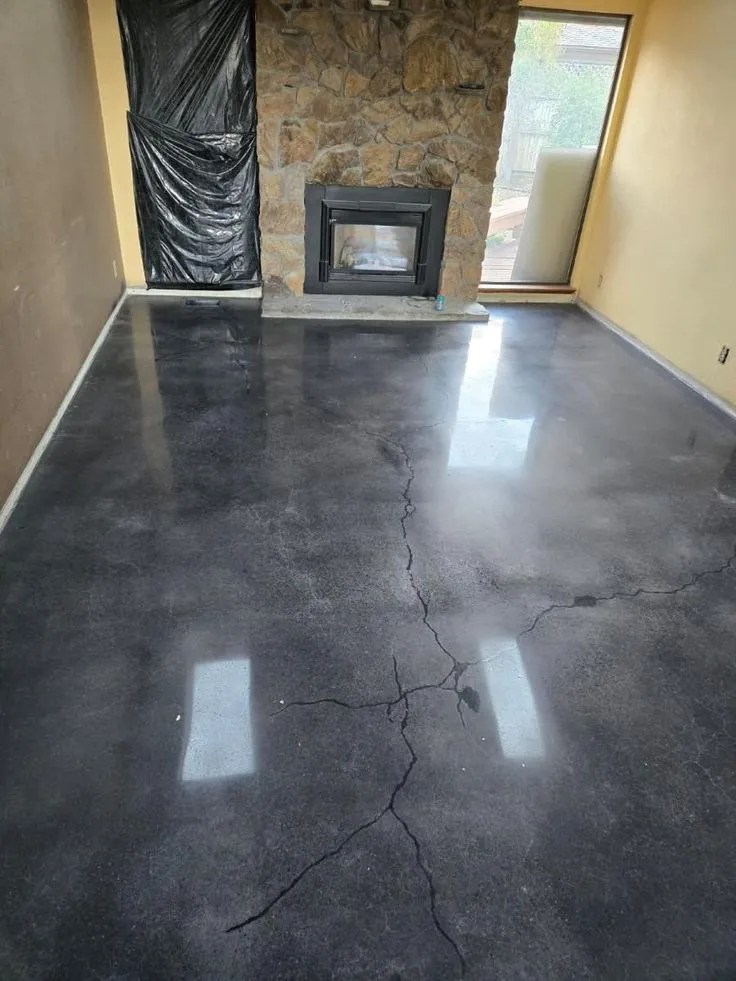
A household with dogs or cats often has different flooring priorities from one without pets. Muddy paws, spilled water bowls, shedding fur, and occasional scratches can make certain surfaces difficult to maintain. Homeowners exploring a black polished concrete floor may appreciate its contemporary appearance, but the color should not be the only consideration. Surface traction, comfort, maintenance, and the condition of the existing slab all influence whether concrete flooring suits a home with animals. Understanding these practical needs helps owners choose finishes that work for both people and pets.
Think About Everyday Pet Activities
Dogs frequently travel between outdoor areas and indoor rooms, carrying grit and moisture on their paws. Cats may spend more time indoors but still contribute fur, litter dust, and occasional spills. These everyday habits influence cleaning requirements.
Observe where animals eat, sleep, and move around the home. Entrances, kitchens, and feeding areas may need additional attention. Choosing flooring around actual routines is more useful than assuming one material will suit every room.
Consider Traction for Comfortable Movement
Very smooth surfaces can be difficult for some pets to navigate, particularly older dogs or animals with joint or mobility problems. A floor that feels comfortable under ordinary footwear may provide different traction for paws.
Discuss the available surface textures before choosing a highly polished finish. Removable rugs or suitable non-slip mats can help in frequently used areas. Any coverings should remain secure to prevent slipping or bunching beneath pets and people.
Understand How Dark Floors Show Debris
Dark finishes can create a distinctive appearance, but pale pet hair, dried water marks, and dust may become more visible against the surface. Owners should consider their cleaning preferences before selecting a particular color.
A polished finish may make loose fur easier to remove than some textured coverings. However, the appearance depends on the concrete and its protective treatment. Samples viewed under natural lighting can help establish realistic expectations.
Compare Concrete Finishing Systems
Mechanically polished concrete and resin-coated floors are different systems. Polishing refines suitable concrete through progressive grinding, while epoxy coatings introduce a separate protective layer over a prepared substrate.
An epoxy flooring company offering both approaches can explain their respective advantages and limitations. Resistance to stains, moisture, and abrasion depends on the particular materials and installation methods. Neither finish should be described as completely scratchproof or maintenance-free.
Plan for Water Bowls and Spills
Feeding areas can experience repeated water spills, food residue, and cleaning products. A suitable protective treatment may help reduce certain staining problems, but spills should still be removed promptly.
Consider placing a washable mat beneath water bowls and keeping cleaning supplies nearby. Confirm which products are compatible with the finished floor. Excessively harsh chemicals or abrasive tools can damage some protective treatments.
Make Cleaning Easy to Maintain
A pet-friendly home benefits from a routine that can be followed without complicated equipment. Regular dust removal helps prevent fur and abrasive particles from accumulating across busy areas.
A practical checklist includes:
-
Sweep or vacuum loose pet hair regularly.
-
Remove muddy footprints before dirt dries.
-
Use compatible cleaning products.
-
Keep feeding areas dry and organized.
-
Inspect high-traffic areas for surface damage.
These measures complement the flooring system rather than replace appropriate maintenance.
Evaluate Existing Concrete First
Some homes contain concrete beneath older coverings, but the exposed slab may include cracks, adhesive residue, or uneven sections. These conditions can influence whether mechanical polishing is suitable.
Professional assessment can establish preparation requirements and realistic finishing options. Moisture problems or structural movement should be investigated separately. A decorative finish should never be used merely to conceal defects requiring repair.
Balance Appearance With Animal Comfort
Concrete is a firm surface, so bedding and resting areas remain important. Pets may appreciate comfortable mats or beds away from cold drafts and busy walking routes.
Homeowners should also consider how furniture, sunlight, and floor color work together. A practical design allows the home to remain attractive without forcing animals to navigate uncomfortable or slippery spaces.
Conclusion
Pet-friendly flooring should balance appearance with traction, cleaning, and everyday comfort. Polished concrete can suit certain residential interiors, but homeowners must consider existing slab conditions and the needs of their animals. Dark finishes may create a distinctive look while requiring attention to visible fur and dust. For homeowners exploring concrete polishing and decorative coatings in Bend and Central Oregon, uniquecoatingsandpolishing.com provides information about available flooring services. Thoughtful preparation and manageable maintenance can help create an attractive home that accommodates pets without sacrificing practicality.