

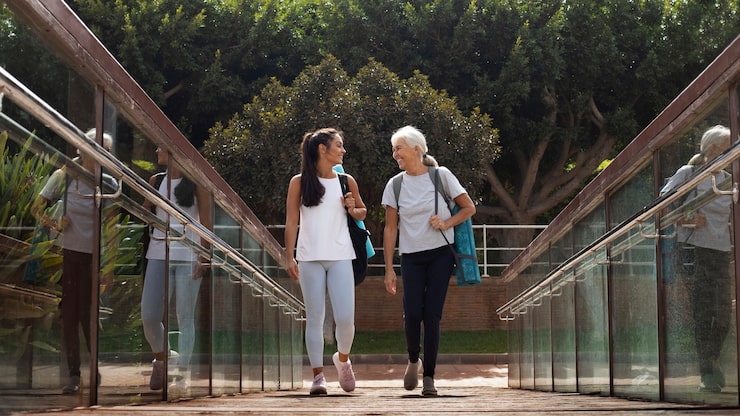
As Singapore’s population ages, the concept of aging in place has moved from a policy discussion to a practical residential priority. Buyers are increasingly evaluating whether a home can support them not just through mid-life productivity, but also through later years when mobility, health needs, and daily rhythms change. Unlike short-term lifestyle preferences, aging-related suitability is cumulative and irreversible. Once tolerance declines, relocation becomes significantly more difficult.
Dunearn House and Hudson Place Residences represent two different responses to long-term residential suitability. Both are 99-year leasehold developments expected to launch in the first half of 2026, yet they are embedded in districts shaped by different assumptions about pace of life, environmental intensity, and long-term comfort. This analysis examines how each development aligns with aging-in-place considerations and what truly determines residential suitability over decades.
Why Aging in Place Has Become a Core Residential Criterion
Aging in place reflects a desire to remain within familiar surroundings rather than relocate to specialised environments later in life. It prioritises continuity, dignity, and independence.
As life expectancy increases, the duration of later-life residence expands. Homes must therefore support not just comfort but adaptability, accessibility, and reduced physical and cognitive strain.
Residential choices made in mid-life increasingly determine quality of life decades later.
Understanding Long-Term Residential Suitability
Long-term suitability goes beyond floor plans or unit sizes. It encompasses environmental calm, accessibility to daily needs, medical proximity, transport predictability, and emotional familiarity.
A suitable environment allows residents to maintain routines with minimal effort as physical capacity changes.
Unsuitable environments amplify friction, fatigue, and reliance on external support.
Environmental Predictability and Aging Comfort
Predictability becomes more important with age. Sudden changes in traffic patterns, land use, or neighbourhood activity increase stress and disorientation.
Established residential districts offer predictability through stable zoning, long-standing amenities, and consistent community behaviour.
This predictability supports confidence and independence.
CCR Environments and Aging Alignment
Dunearn House is located along Dunearn Road in District 11 within the Core Central Region. CCR districts such as District 11 are often favoured for aging in place due to their residential continuity and mature infrastructure.
Amenities are well-distributed and long-established. Residents do not need to adapt repeatedly to changing service locations or access routes.
This continuity reduces cognitive and logistical burden.
Reduced Physical Strain Through Proximity
Aging residents benefit from shorter, predictable distances to daily necessities such as groceries, clinics, and social spaces.
Established residential areas tend to integrate these amenities within manageable proximity.
Over years, reduced physical strain preserves independence and mobility.
Community Familiarity and Emotional Security
Familiar neighbours, known routes, and recognised faces contribute to emotional security.
This sense of belonging reduces anxiety and supports mental wellbeing.
Long-standing communities reinforce this familiarity through lower turnover.
Dunearn House benefits from being situated within such a community context.
Traffic Behaviour and Safety Perception
Perceived safety becomes more important with age. Predictable traffic behaviour, lower speed variance, and familiar patterns reduce fear and hesitation.
Residential districts with localised traffic support walking and outdoor activity.
This encourages continued physical engagement rather than withdrawal.
Noise Sensitivity and Recovery
Noise sensitivity often increases with age. Even moderate noise can disrupt sleep and recovery.
Established residential districts exhibit clearer separation between active and rest periods.
This supports restorative routines critical for long-term health.
Healthcare Access and Routine Management
Proximity to healthcare services becomes increasingly important.
Districts with mature healthcare networks simplify routine management of appointments and follow-ups.
Reducing travel complexity lowers fatigue and stress.
Adaptability Without Relocation
Aging in place requires adaptability within the same location.
Residents may renovate interiors, install assistive features, or adjust routines without leaving the neighbourhood.
Choosing a district that supports adaptation rather than forcing relocation improves long-term outcomes.
RCR Environments and Aging Trade-Offs
Hudson Place Residences is located at Media Circle in District 5 near the One-North employment hub. RCR environments prioritise functional efficiency and economic activity.
While these features benefit working-age residents, they introduce challenges for aging in place.
Environmental intensity and turnover can increase over time.
Activity Density and Aging Sensitivity
High activity density introduces constant stimulation. For aging residents, this can increase fatigue and stress.
Extended activity windows reduce recovery periods.
What once felt vibrant may later feel overwhelming.
Traffic Complexity and Mobility Concerns
Employment-linked districts attract varied traffic types including service vehicles and visitors unfamiliar with local patterns.
This increases unpredictability and perceived risk for older residents.
Reduced confidence may discourage independent movement.
Service Turnover and Cognitive Load
In dynamic districts, amenities may change frequently.
Adapting to new service locations, layouts, or access points increases cognitive load.
For aging residents, this adaptation becomes increasingly taxing.
Healthcare and Accessibility Considerations
While RCR districts may offer modern facilities, they often require navigating busier routes.
Longer or more complex journeys increase reliance on assistance.
This affects independence.
Social Continuity Challenges
Higher residential turnover reduces long-term social continuity.
Relationships may be shorter-lived, limiting deep community ties.
For aging residents, social stability is a key support factor.
When Aging Triggers Relocation Pressure
In less suitable environments, aging may force relocation earlier than desired.
This relocation often occurs under health or mobility pressure, reducing choice.
Planning for aging suitability earlier avoids such scenarios.
Life Stage Timing and Property Decisions
Buyers in mid-life often underestimate how quickly preferences change.
What aligns with career efficiency may not align with later-life comfort.
Anticipating these shifts improves long-term satisfaction.
Leasehold Considerations in Aging Horizons
Leasehold tenure intersects with aging considerations.
CCR districts moderate lease sensitivity through sustained demand, allowing aging residents to hold comfortably.
RCR districts may experience lease-related market sensitivity earlier, influencing exit decisions.
This affects confidence in long-term holding.
Psychological Comfort and Control
Aging in place depends heavily on perceived control over environment.
Predictable surroundings enhance this sense of control.
Dynamic environments erode it.
This psychological dimension is often overlooked but decisive.
Family Support and Accessibility
Aging residents often rely on nearby family or caregivers.
Locations that support easy access facilitate support without disruption.
Established residential districts tend to align better with these needs.
Financial Implications of Aging Suitability
Aging-suitable environments reduce long-term costs associated with relocation, assisted living, or frequent transport.
While entry prices may be higher, total lifetime cost may be lower.
This reframes value beyond purchase price.
Investment Perspective on Aging-Friendly Locations
Aging-friendly locations attract long-term owner-occupiers.
This supports demand durability and price stability.
As population aging accelerates, such locations gain relevance.
Planning for the Last Third of Ownership
Buyers often plan for the first decade of ownership but neglect the final decades.
Aging suitability becomes critical during this period.
Choosing environments that support this phase avoids difficult trade-offs later.
Implications for Dunearn House Buyers
Buyers of Dunearn House are likely to value predictability, familiarity, and long-term comfort.
Their choice reflects foresight into later-life needs and reduced tolerance for environmental intensity.
Implications for Hudson Place Residences Buyers
Buyers of Hudson Place Residences are likely to prioritise current functional efficiency.
Their long-term suitability depends on willingness to relocate or adapt later.
Market-Facing Perspective on Aging in Place
Market-facing analysis increasingly emphasises aging suitability as a core differentiator.
As buyers age, environments that support independence gain premium relevance.
This trend will strengthen over time.
Conclusion
Aging in place reshapes how residential suitability should be evaluated. Dunearn House and Hudson Place Residences reflect two distinct aging trajectories within Singapore. Dunearn House aligns with long-term comfort, environmental predictability, and sustained independence. Hudson Place Residences aligns with working-age efficiency but may require future repositioning as needs evolve.
The strategic choice depends on whether a buyer is planning primarily for the present decade or deliberately accounting for the later stages of ownership within Singapore’s evolving residential landscape.