

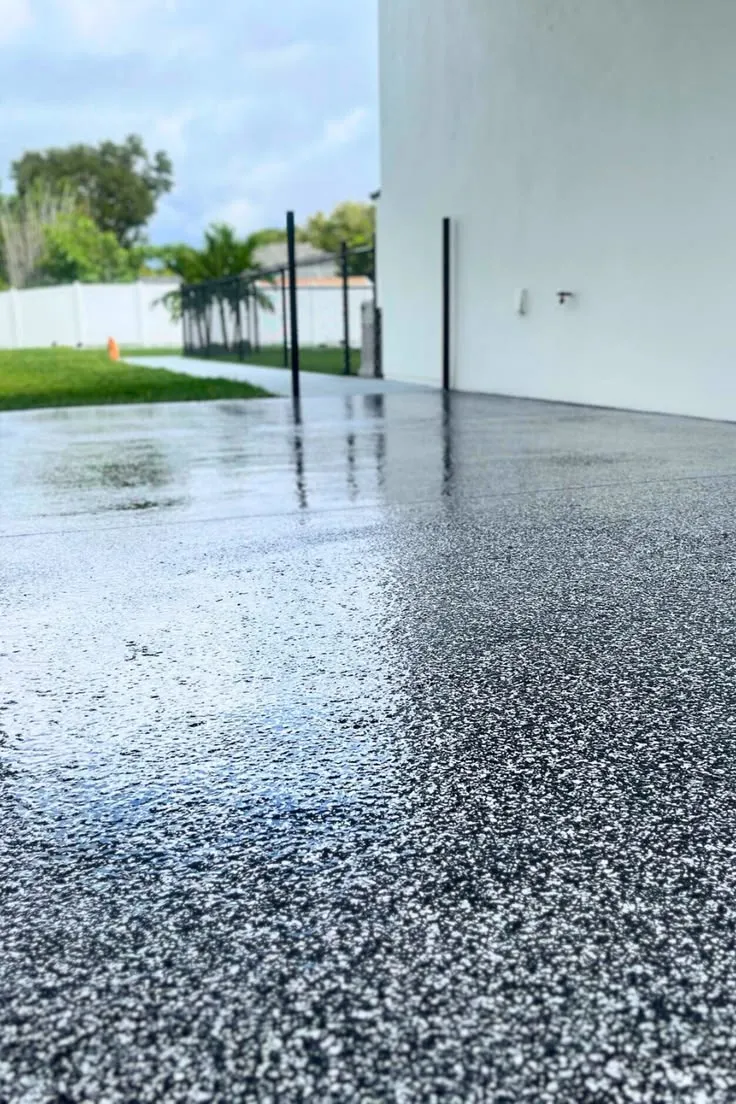
Charleston’s coastal setting influences more than architecture and outdoor living. Humidity, seasonal rainfall, and varying ground conditions can also affect concrete surfaces inside homes and commercial properties. A floor that appears dry may still contain moisture that matters during coating installation. Property owners considering epoxy flooring charleston services should therefore understand what happens beneath the decorative finish. Evaluating concrete conditions, previous treatments, and intended use helps establish a suitable flooring system without overlooking problems that could affect adhesion or long-term performance.
Moisture Is Not Always Visible
Concrete can contain moisture even when its surface looks completely dry. Ground conditions, drainage, and the absence of an effective vapor barrier may influence how moisture moves through a slab. Covering unsuitable concrete without evaluating these conditions can contribute to blistering, lifting, or coating failure.
Charleston properties deserve particular attention because coastal conditions and periods of heavy rainfall can complicate moisture management. However, humidity alone does not determine whether a floor can be coated. Professional evaluation should distinguish ordinary environmental exposure from excessive moisture within the concrete.
Older and Newer Slabs Present Different Challenges
A renovated downtown property may contain concrete that has been patched, painted, or covered with several flooring materials. Removing these layers can reveal adhesives, cracks, or repairs that affect how a new coating should be installed.
Newer properties in neighborhoods such as West Ashley or James Island may have different construction histories, but their slabs still require inspection. Age does not automatically indicate quality. Surface strength, previous treatments, movement, and moisture conditions matter more than assumptions about when the building was constructed.
Choosing Finishes for Different Interior Spaces
Charleston homes often contain practical spaces where ordinary flooring may not provide the desired protection. Laundry rooms encounter occasional water spills, while workshops experience equipment movement and abrasive debris. Storage areas may prioritize easy cleaning rather than decorative complexity.
Epoxy systems offer several design options. Solid colors create a straightforward appearance, decorative flakes introduce visual texture, and metallic finishes provide distinctive patterns. The selected finish should reflect the room’s purpose, expected traffic, and cleaning requirements rather than appearance alone.
What a Thorough Flooring Assessment Should Include
Before installation, a contractor should examine the concrete and discuss how the space will function. This helps identify necessary repairs and determine whether the proposed coating system is appropriate.
A useful assessment covers:
-
Existing cracks, divots, and previous coatings.
-
Moisture conditions and possible vapor transmission.
-
Surface preparation and grinding requirements.
-
Anticipated pedestrian or equipment traffic.
-
Slip resistance and cleaning expectations.
These findings should inform a written proposal. Homeowners benefit from understanding which preparation stages are included, what materials will be applied, and whether additional repairs could affect the overall project cost.
Professional Preparation Supports Better Adhesion
Experienced flooring contractors charleston sc should explain the difference between surface cleaning and mechanical preparation. Sweeping or washing concrete does not necessarily create an appropriate bonding profile for resin coatings.
Diamond grinding removes unsuitable surface material and exposes concrete suitable for the specified system. Cracks and damaged sections may need repairs, while moisture-related concerns can require compatible primers or further investigation. Preparation should reflect actual site conditions rather than follow an identical process for every property.
Planning Installation Around Property Use
Residential and commercial installations require different scheduling arrangements. A homeowner may need access to laundry appliances, while a retailer must consider customers, merchandise, and staff movement during construction.
Carolina Flooring Specialists describes a two-consecutive-day installation process for its Charleston epoxy systems. However, property owners should confirm when the finished surface can safely accommodate normal traffic. Application time and return-to-service requirements are not necessarily identical, particularly when different loads or equipment are involved.
Maintaining Floors in a Coastal Environment
Fine sand, moisture, and debris can enter buildings through footwear and open doors. Removing abrasive particles regularly helps protect clear finishes from unnecessary wear, especially around entrances and frequently used areas.
Cleaning products should be compatible with the installed coating. Property owners should also investigate recurring leaks or unexplained dampness rather than assuming the protective surface has corrected the underlying issue. Periodic inspections help identify damage before larger repairs become necessary.
Conclusion
Successful concrete flooring improvements require more than selecting an attractive color or finish. Charleston property owners benefit from evaluating moisture conditions, slab history, surface preparation, and everyday usage before installation begins. Professional assessment helps match protective materials to the actual environment while establishing realistic maintenance expectations. Homeowners and businesses throughout Charleston, Mount Pleasant, and surrounding South Carolina communities can explore suitable concrete flooring systems through carolinaflooringspecialists.com when planning improvements for their properties.