

Selecting the right construction materials is one of the most important decisions you will make when building a home in Dubai or anywhere across the UAE. The local climate is demanding. Temperatures regularly exceed 45 degrees Celsius in summer, humidity rises sharply along coastal areas, and dust storms place constant stress on exterior surfaces. Materials that perform well in temperate climates often fail prematurely here. Making informed choices from the beginning saves you from expensive replacements, structural repairs, and energy inefficiency later. This guide walks through the key material categories in residential construction and explains what to prioritize when building in the UAE.
Concrete and Foundation Materials
Concrete is the backbone of almost every residential structure in the UAE. Not all concrete mixes perform equally in this climate. Sulfate-resistant cement is strongly recommended for Dubai builds because local soil and groundwater contain high sulfate concentrations that degrade standard concrete over time. Your structural engineer should specify the correct concrete grade for each element of your build.
Reinforcing steel must be coated or treated to resist corrosion, particularly in coastal areas where saltwater exposure accelerates rust. Using substandard concrete or uncoated rebar to reduce costs is a mistake that surfaces within a few years and demands expensive remediation work.
Masonry and Block Work
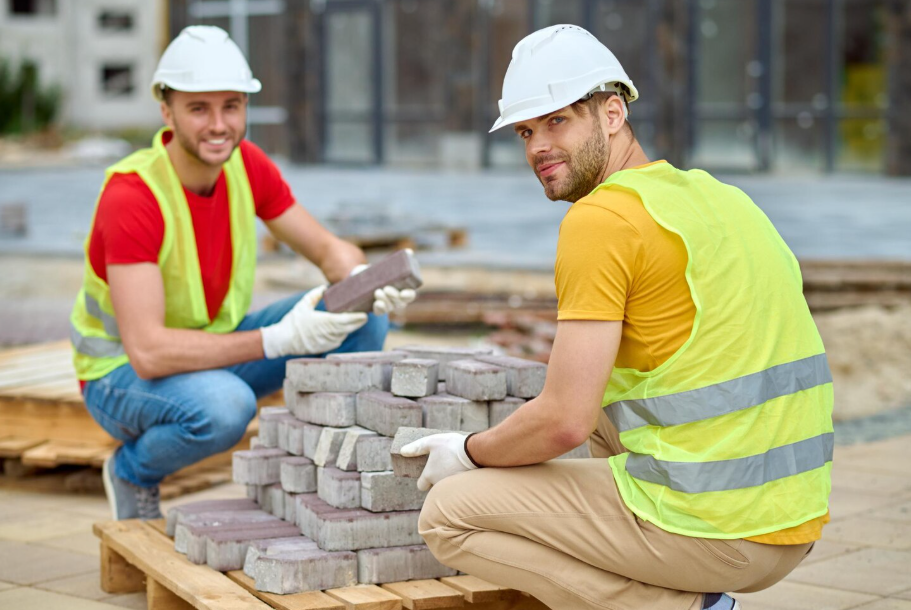
Concrete masonry units, commonly called blocks, are the standard wall-building material across the UAE. Lightweight aerated blocks offer better thermal insulation than dense concrete blocks, which matters greatly given the energy demands of cooling a home through Dubai’s long summers. Choose blocks that meet UAE construction standards and confirm your contractor sources from certified suppliers.
Block walls must be properly bonded, leveled, and reinforced at structural junctions. Poorly laid block work cracks under thermal expansion and contraction, which is a real concern in a region where daily temperature swings between morning and afternoon can exceed 20 degrees during transitional seasons.
Steel and Structural Framing
Steel is used extensively in UAE residential construction for lintels, columns, roof structures, and reinforcement within concrete elements. The quality of structural steel directly affects the safety and longevity of your home.
Always request material certification from your contractor to confirm the steel meets the specified grade. Galvanized or epoxy-coated steel should be used wherever moisture exposure is a risk, including roof structures, external canopies, and steel embedded near the foundation.
In coastal Dubai areas, marine-grade materials offer additional protection against corrosion. Never compromise on steel quality as it is one of the most dangerous and costly mistakes in any construction project.
Roofing Materials and Waterproofing
Roofing material selection in Dubai requires balancing heat reflection, weight, durability, and waterproofing performance. Flat roofs are common in UAE residential architecture and require a robust waterproofing system because standing water after rain has no natural runoff path unless slope and drainage are carefully designed.
Membrane waterproofing systems applied in multiple layers offer the best protection for flat roofs in this climate. Working with experienced Waterproofing Contractors Near Me ensures that your roofing system is sealed correctly from day one, protecting your structure against UV degradation, thermal movement, and occasional heavy rainfall without cracking or delaminating over time.
Insulation Materials
Thermal insulation is a necessity in the UAE that directly affects your monthly electricity bills and living comfort. Extruded polystyrene boards and spray polyurethane foam are two of the most effective insulation materials used in Dubai construction today. Insulation must be installed in the roof, external walls, and around all MEP penetrations to prevent thermal bridging.
Inadequate insulation forces your HVAC system to work harder, increasing energy consumption and shortening the lifespan of cooling equipment considerably. Specify insulation values with your engineer based on your home’s orientation and the wall and roof assembly design to achieve the best thermal performance.
Exterior Cladding and Facade Materials
The exterior facade of your home faces direct sun, dust, wind, and occasional rain throughout the year. Materials must be UV resistant, low maintenance, and properly sealed against moisture infiltration. Cement plaster, stone cladding, and composite panels are all widely used in Dubai residential projects. Whatever cladding system you choose, installation detail matters as much as the material itself.
Gaps around window frames, expansion joints, and wall penetrations must be sealed precisely. Moisture entering through poor facade detailing causes internal wall damage, paint failure, and mold growth that spreads silently behind finished surfaces before it becomes visible.
Interior Finishes and Moisture Resistance
Kitchens, bathrooms, and utility areas require moisture-resistant interior finishes. Standard drywall absorbs water and supports mold growth in humid conditions. Specify moisture-resistant or cement board substrates in all wet areas of your home. Porcelain and ceramic tiles remain the most practical and durable flooring choice in UAE homes because they handle heat, moisture, and heavy foot traffic reliably.
For homeowners who want to work with the Best Waterproofing Company In Dubai for interior and exterior protection, choosing professionals with verified UAE project experience ensures every waterproofing detail is executed to the highest standard.
Choose Materials That Match Your Climate
Every material decision in a Dubai or UAE construction project should be evaluated against the local climate first and aesthetics second. Heat resistance, moisture protection, UV durability, and structural performance are the four filters every material must pass. Work with qualified engineers and certified suppliers who understand these local requirements, and you will build a home that performs reliably for decades without constant maintenance or unexpected repair bills.